This game was developed from scratch in a C++ custom environment. The project consisted on developing a 2D engine that could support all the features that the game would need, and later developing the said game. It was conducted as a Sophomore project by 6 engineers and 6 artists and the development lasted near 10 months.
Han’yo was conceptually based in an arcade-like game called Niddhog, adding features of classical samurai games. It gives the oportunity to explore a beautiful scenario as Hiroko, a young samurai apprentice that loses her family in an enemy attack.
C++ Custom ENgine
The most challenging part of these projects is to develop an engine capable of supporting all the features that the game is going to need. Starting the architecture of such a tool is by no means an easy task, since many subsystems need to be designed, planned and developed in parallel. Physics systems, object managing, graphics pipeline, I/O and parsing… All these features pose a challenge and need time to be properly built and tested. However we completed the task and developed an engine that was versatile, robust and supported many different features. We integrated all the systems that we had developed in an editor that allowed us to design and build scenarios for later testing the product.
My work in this area consisted mainly on creating part of the backbone of the engine. Components, Resource Managing System or FIle Input/Output were some of the tasks that I conducted.
In the same way I generated the menu managing system and added layers to the physics systems. During this stage most of my work was directed to creating engine proofs that were satisfactory, and building the architecture of said engine.
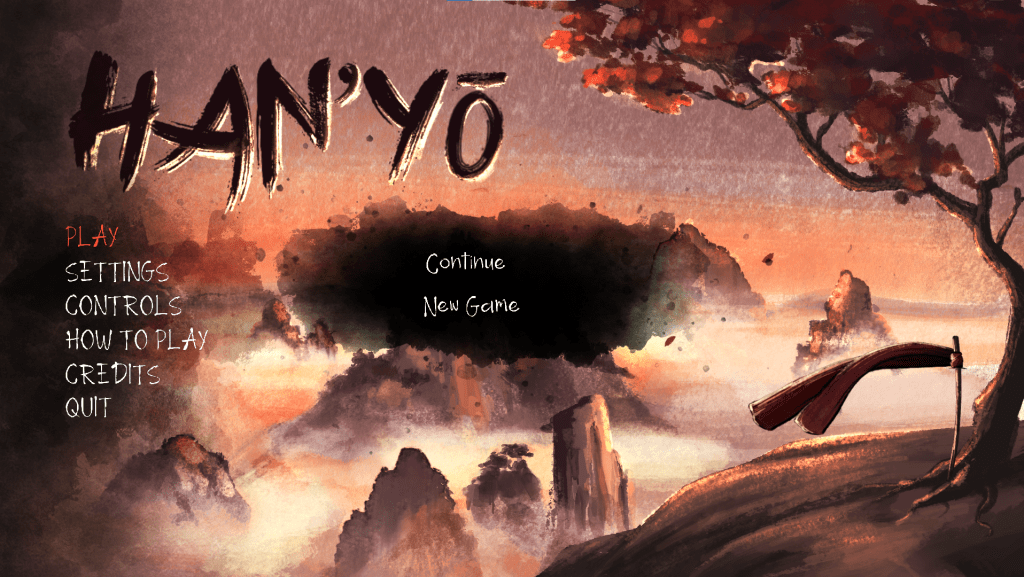
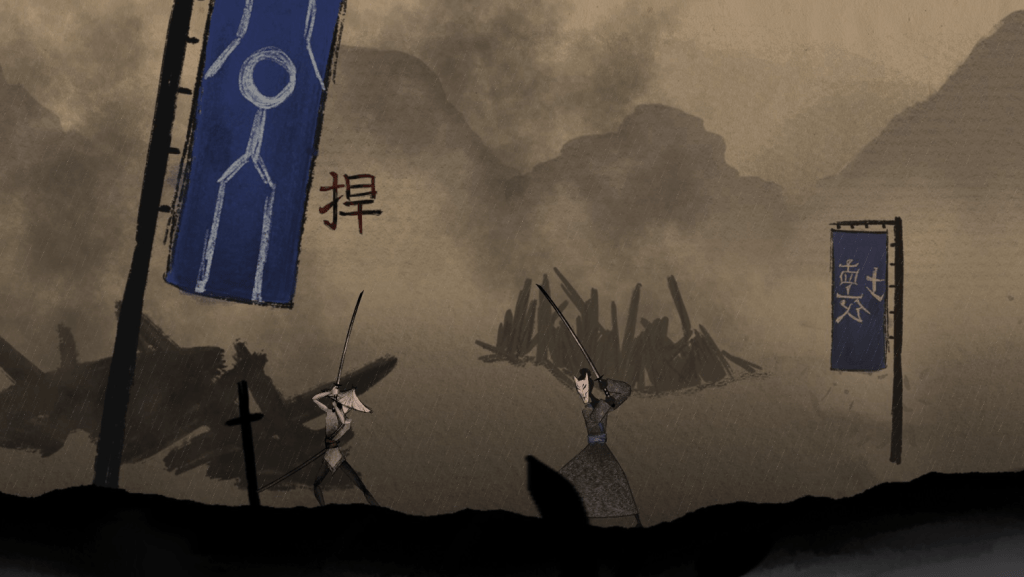
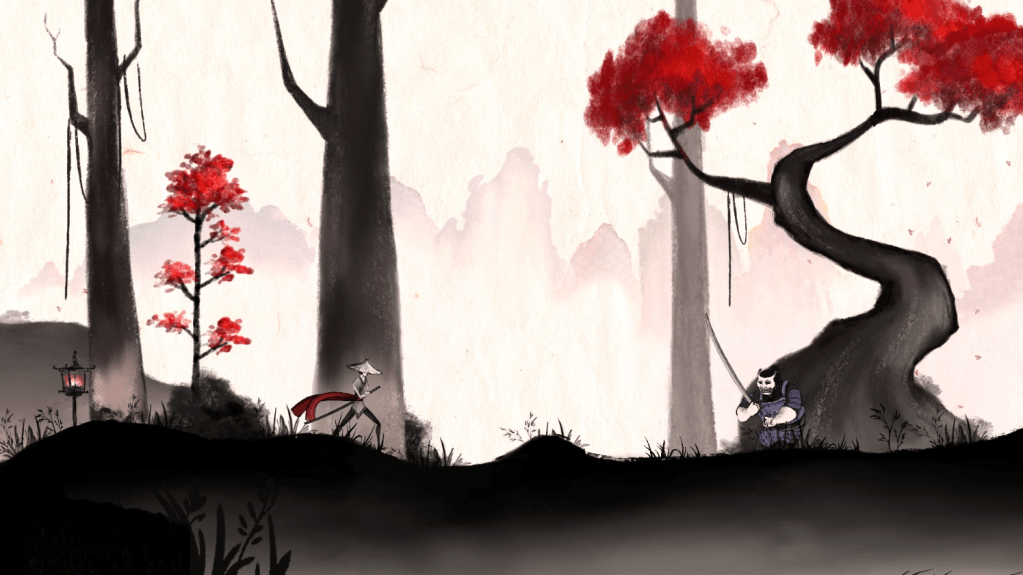
Modular WOrld Building
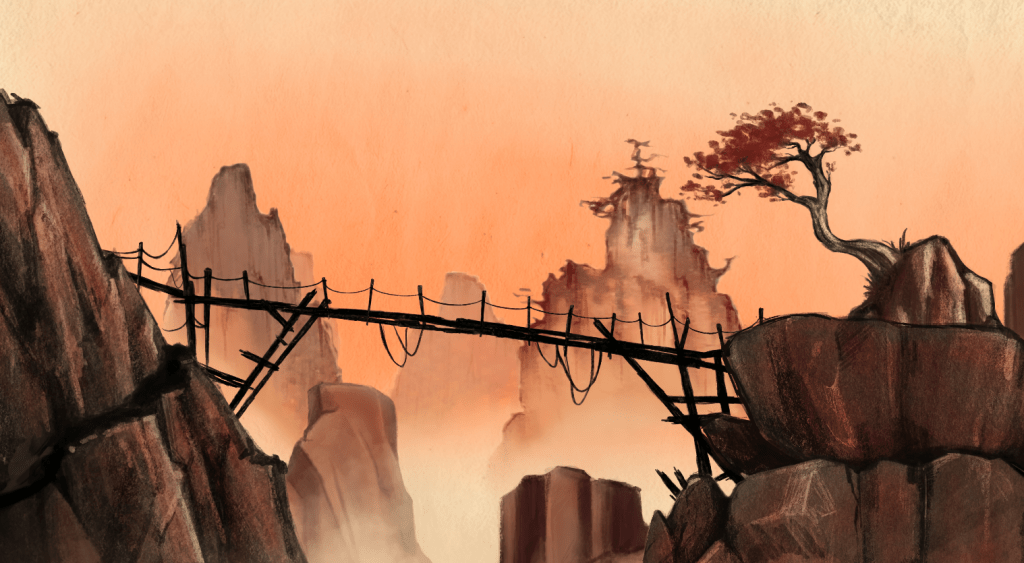
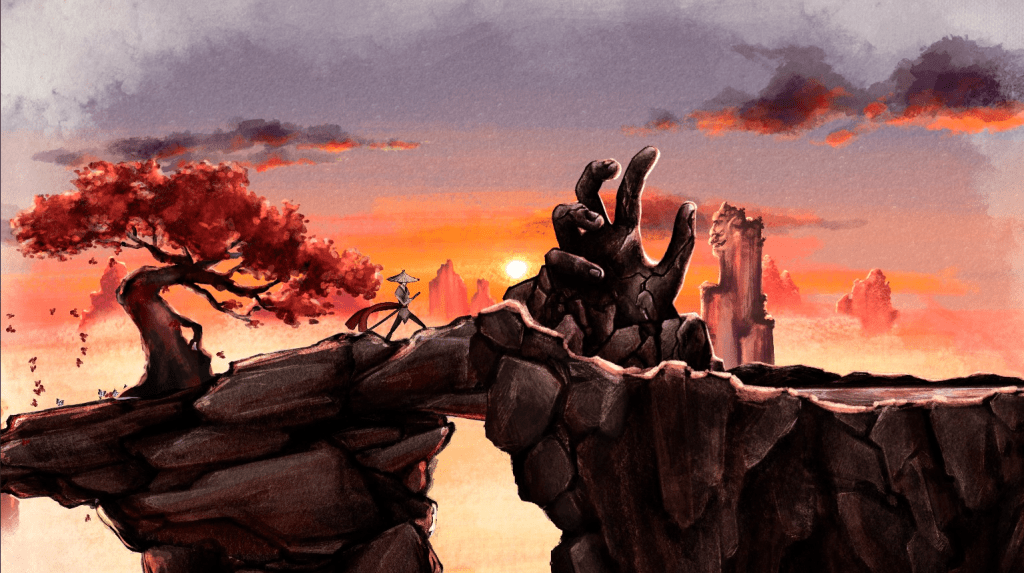
With 2D atlases and different world pieces we generated different scenarios that comprised the story. All of these were generated modularly, and were not static, meaning that we created them with the editor we programed.
Sounds were treated in the same way. We programmed a sound & music system that managed all sounds and located the positional SFX that we wanted in the map.
In what my work is concerned, in this area I was part of the team that built the levels and added all sounds, blended them and tested/implemented the interactive objects that were part of the environment.
In the same way, I was part of the team that created the loading screen logic and that managed all the optimization of the world in-game.
Intense Fighting Mechanic
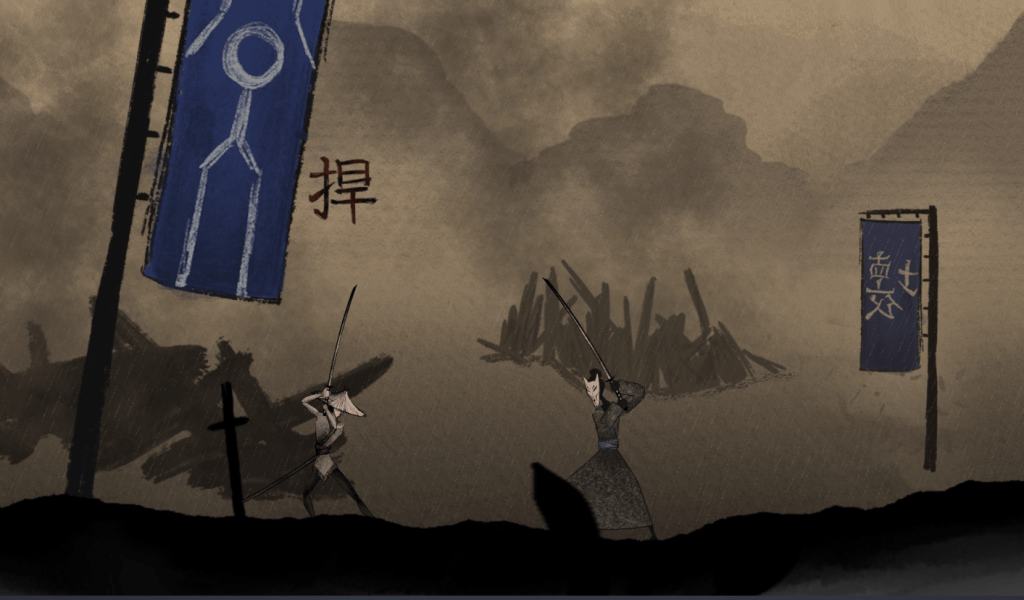
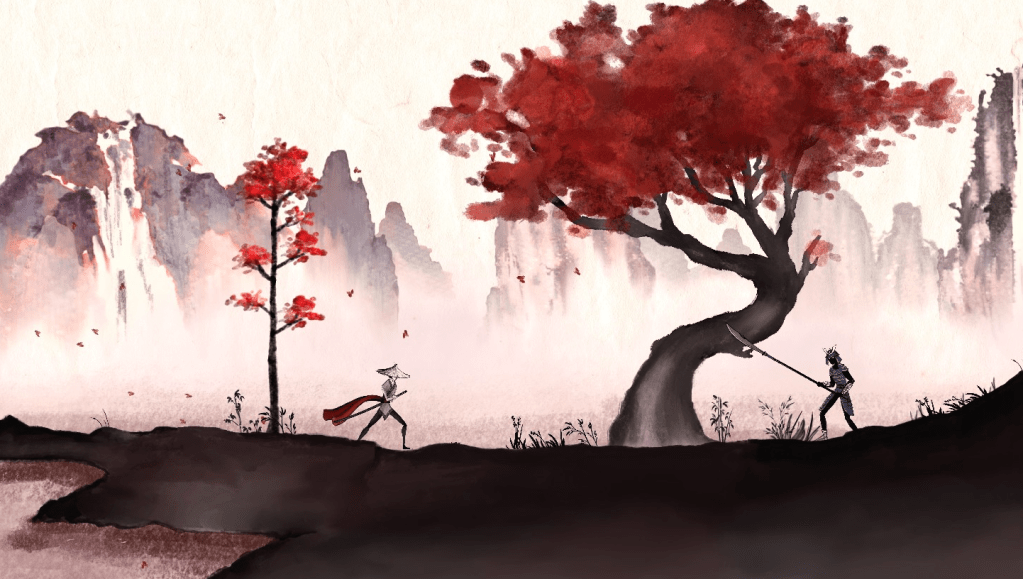
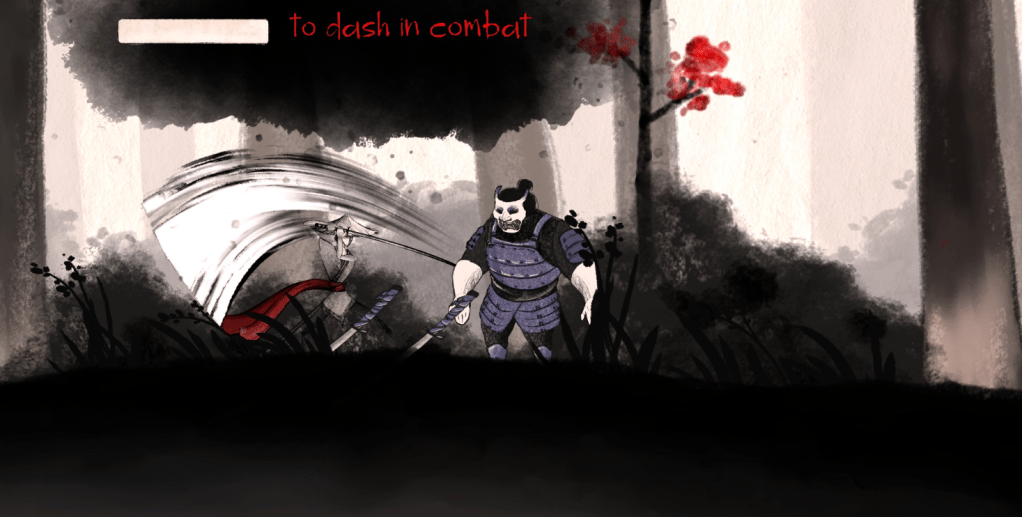
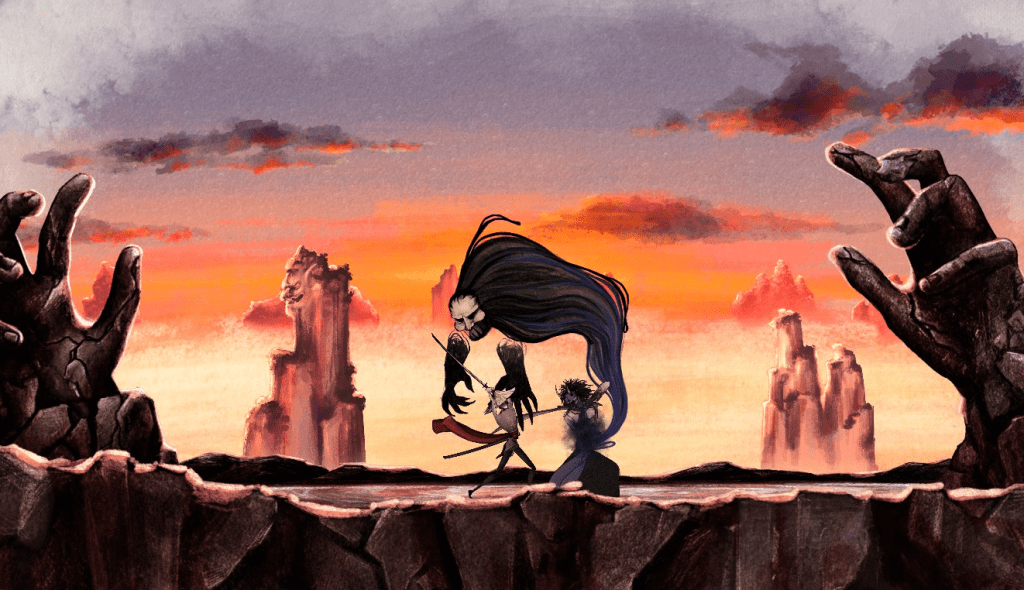
Finally, we developed a one-shot fighting mechanic that allowed us to create fast, intense fights against different enemies. Hiroko had 3 different guards, low, mid and high, and depending in the attacks of the enemies the player had to use one or another. In the same way, we developed four enemies that populated the world. A samurai, a heavy tank and a spearman for the world, and a final boss with special abilities for the last chapter.
My work in this area was mainly design, optimization and testing. Since I was part of the engine team the gameplay was not my main task, however, I took part on the design, thet testing and the optimization and timing of the fights.
In the same way, I edited all the scenarios so that the fights could take place in a clean way with the interactions and the sounds, while preparing the ground for it to be the most optimized stage possible
 Markel Sevilla - Software Developer